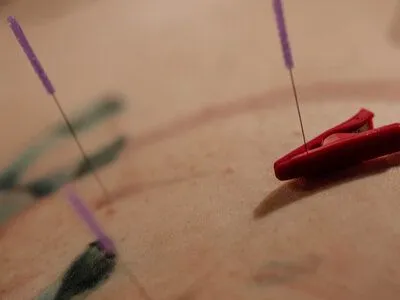
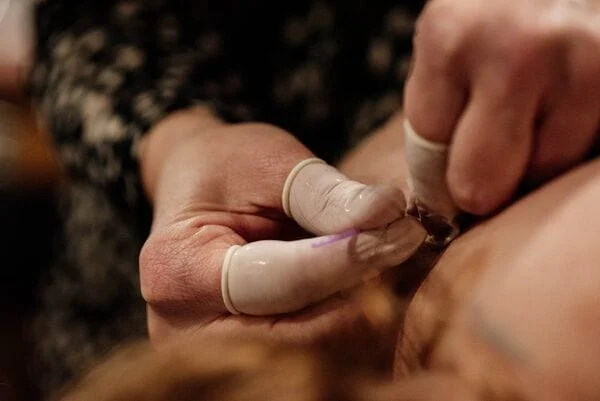
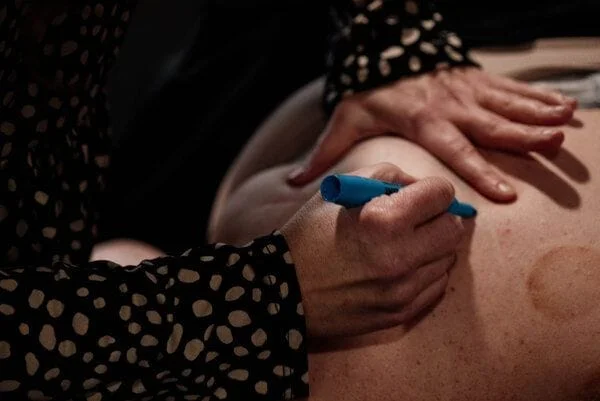
Dry needling plays a significant role in treating the soft-tissue discomfort. This therapy is especially helpful for individuals suffering from pain related to trigger points, which are muscle knots that cause pain due to tension and knotting. The name for this therapy refers to the slender needles which are used to stimulate and release trigger points beneath the skin’s surface. This therapy is beneficial for several soft-tissue problems, among them:
Edema
Contracture
Adhesion
Inflammation
Microcirculation
Dry needling is especially useful in treating the effects of overtraining, delayed-onset muscle soreness, and swelling from acute trauma such as sprains. It plays an important role in achieving wellness after injuries and surgery, in increasing systemic myofascial balance, and in treating muscle overuse and muscle contracture and spasms. Patients with tension headaches, TMJ, whiplash, spinal disc issues, joint problems, and migraines also benefit from this therapy.
What Patients Can Expect
Our doctors and therapists may include dry needling in a customized treatment plan following an initial consultation. This visit includes a comprehensive exam and an evaluation of your health history, symptoms, and complaints.
Dry needling reaches portions of muscles and other tissues that chiropractic adjustments and physical therapy cannot access. The procedure includes inserting thin filiform needles into each identified trigger point, stimulating a local twitch response, which reduces muscle tightness, improves blood flow, and decreases pain signals to the brain. Once the trigger point deactivates, patients can expect reduced pain and an improved range of motion. While some comment that they felt a twitch response after treatment, others experience no sensation and some patients report feelings of relaxation. The improved circulation and neuromuscular reset from dry needling enhance overall muscle function, leading to long-term relief from chronic tension and discomfort.